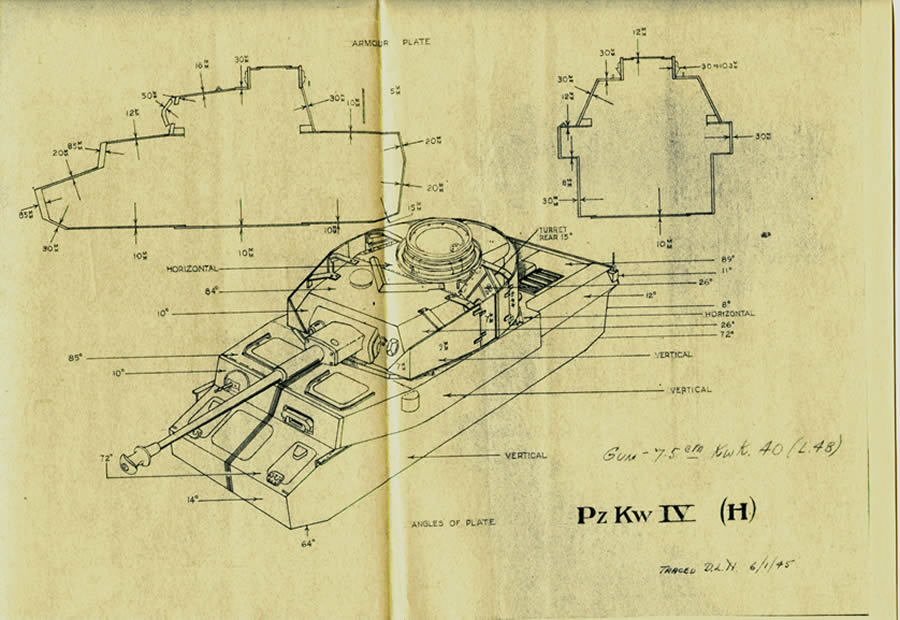
Panzer4 Turret Roof Armor Thickness

Panzer Iv Ausf H Winter 43 44 In Ostland Russia Ausf H Version Indicated By Its Turret Schurzen It Had Hull Schurzen Pla Panzer Iv War Tank Tanks Military

Pin On Jagdpanzers

Kevin S 88mm Flak On Panzer Iv 3 4 View German Tanks Aircraft Tanks Tanks Military
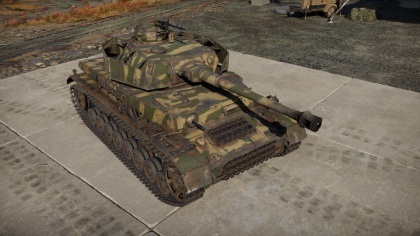
Pz Iv J War Thunder Wiki

German Panzer Iv Introduced 1939 75 Mm Cannon 2x 7 92 Mm Machine Guns 27 6 Tons Multiple Variants Were Produce Panzer Iv War Tank Tanks Military
Why Did The Germans Not Adopt The Sloped Amour Version Of The Panzer 4 Quora

J were produced without face hardened armor and the superstructure roof was thickened to 16 mm.
Panzer4 turret roof armor thickness. The armor on the front sides and rear of the turret was 30 mm thick. According to declassified documents from the cia a measurement of the t 72 turret at the port of the coaxial machine gun revealed an armor thickness of 350 milimetres. So the whole array would be. Note some descriptions of panzer iv armor layouts distinguish the front hull the superstructure and the turret.
Depending on the source the front armor thickness of the turret varies between 15 to 20 mm. In february 1944 rheinmetall presented a suggestive design. The commander s cupola had all around 14 5 mm of armor with the two hatch doors being 8 mm thick. The next big change was a weak spot in the right side of the casting where a thin spot was made while machining the turret for the gun mount was discovered and armor was welded on the outside of the turret to thicken it back up.
50 mm anti radiation liner 40 mm thick roof armor 80 mm polyurethane 2 mm steel 7 mm explosive 2 mm steel 10 mm high hardness steel or 191 mm of armor of which 90 mm are part of the turret roof and 101 mm applique armor. Preference given to data from jentz. The turret s armor protection was considered insufficient. It is based on the total size of the turret the empire s best researched armor type and the armor thickness.
The somua s35 had a maximum armor thickness of 55 mm 2 2 in while the kwk 37 l 24 could only penetrate 43 mm 1 7 in at a range of 700 m 2 300 ft. Panzer ivs up through the f1 model used short 75l24 guns and had a maximum frontal armor thickness of 50mm on both the turret front and the front hull. D were produced with 50 mm. Based on a scale drawing probably taken from the t 72 manual the turret armor was estimated to be 475 mm thick at the turret cheeks.
The rounded gun mantle was 50 mm thick. 30 mm armour was used on the hull sides lower hull rear and front. The rounded gun mantlet deflected shots into the thin hull roof. The front glacis was 25 mm thick.
The british matilda ii was also heavily armored with at least 70 mm 2 76 in of steel on the front and turret and a minimum of 65 mm on the sides 79 but were few in number. The front turret armor was 16 mm at a 10 angle while the sides and rear were 14 5 mm at 25 angle and the top was 10 mm at 83 90 angle. The new factory full size rotor shield covered the majority of the turret face with much thicker armor. The design has a narrower turret front and an external rangefinder located in a bulge on the turret.
The basic armor thickness at the hull front upper hull front and rear of the tank was now 50 mm. The last 68 ausf. G were produced without the added 30 mm. Turret armor thickness allows turrets to be armored and works exactly like armoring ships or magazines.
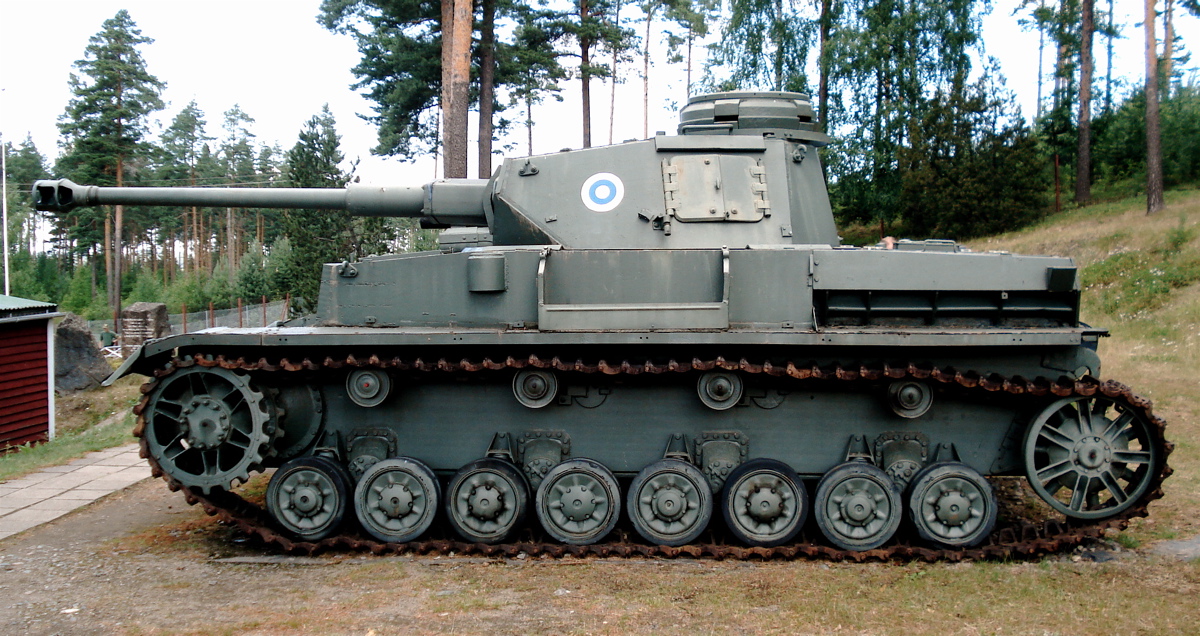
Panzer Iv

S Brezinski S Pz Iv Comparison

Track Link Forums New Kit News Border Model Panzer Iv F1 3 In 1
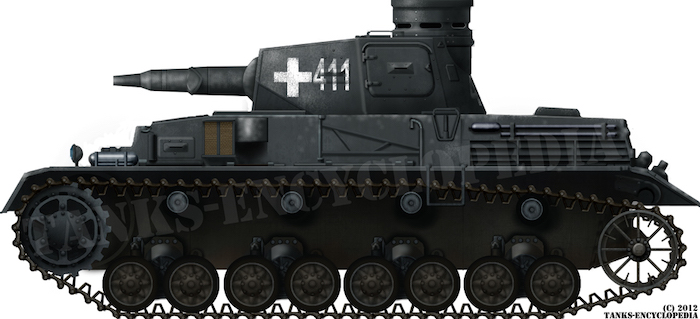
Panzerkampfwagen Iv Ausf A Tanks Encyclopedia
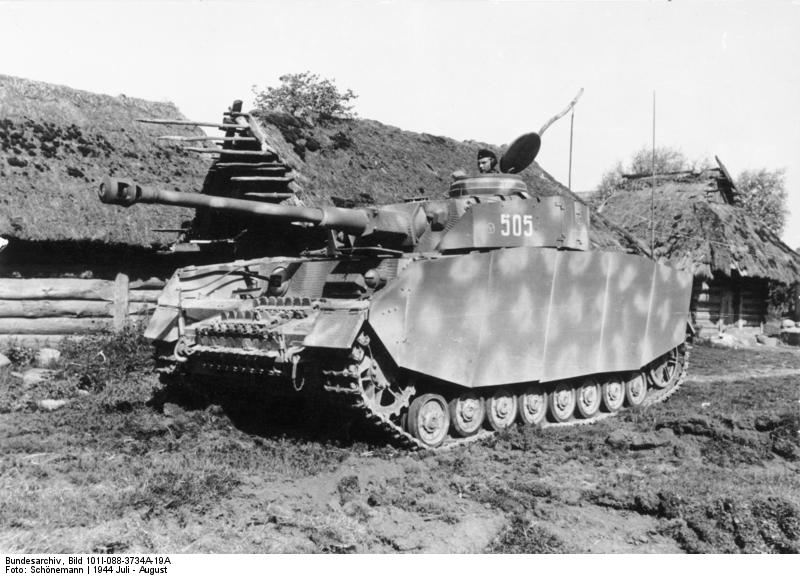
Wwii Panzer Iv Pzkpfw Iv Ausf H Medium German Tank
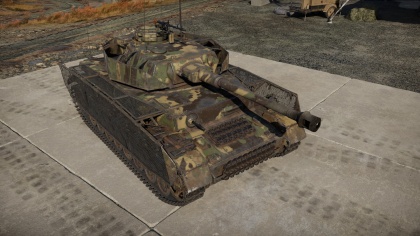
Pz Bef Wg Iv J War Thunder Wiki

Panzer Iv 70 V Tanks Encyclopedia

Sdkfz 161 Panzer Iv Medium Tank Tracked Combat Vehicle

Panzer Iv 70 A Tanks Encyclopedia
After The Germans Faced Soviet T 34 S Why Didn T They Use Sloped On Newer Tank Designs Such As The Tiger 1 Quora

Sherman Tank Myths Math Encounters Blog

Schmalturm Wikipedia

Panzerkampfwagen Iv Ausf B C Tanks Encyclopedia

The Pz Iv Hidden Secrets Player Guides And Information World Of Tanks Blitz Official Forum

Jagdpanzer Iv Tank Encyclopedia

Pin On Tanks And Afvs
35 Images Of Panzer Iv Ausf H The Most Competitive Version Of This German Tank
Is The Panzer Iv Better Than The Sherman Quora
Https Encrypted Tbn0 Gstatic Com Images Q Tbn 3aand9gcq9nhvkf2m4pwdjpbyvtnaltsuqdwij0h5q Bi Ewhzfjcyigbc Usqp Cau

Ww2 German Flame Tanks Archives Tank Encyclopedia

A Das Reich Mk 4 Kharkov 1943 Panzer Iv Tanks Military German Tanks
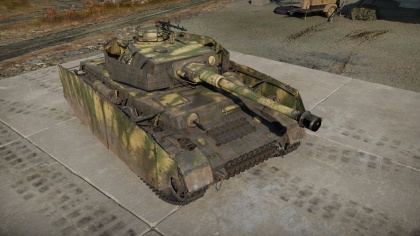
Dw Arj Nouoqrm

Panzer Iv Ausf D Warlord Games Ltd

Pz Kpfw Iv Ausf H Global Wiki Wargaming Net

Finnish Army 1918 1945 Kv 1 And Pzkw Ivj Tanks

Why Does The M4 Sherman Have Such A Bad Reputation If It Was A Good Tank Quora
Ft45zcnadi1zrm

Pin On Zombie

Page 56 Tank Encyclopedia
What Does Panzer Mean If It Doesn T Mean Panther Then What S The Correct Word For Panther Quora

Review Panzer Iv Ausf H Mid Production W Zimmerit Ipms Usa Reviews

Panzer Iii

21 Stunning Images Of Damaged Destroyed And Captured German Panther Tanks In The Battle Of Kursk Panther Tank Tank German Tanks
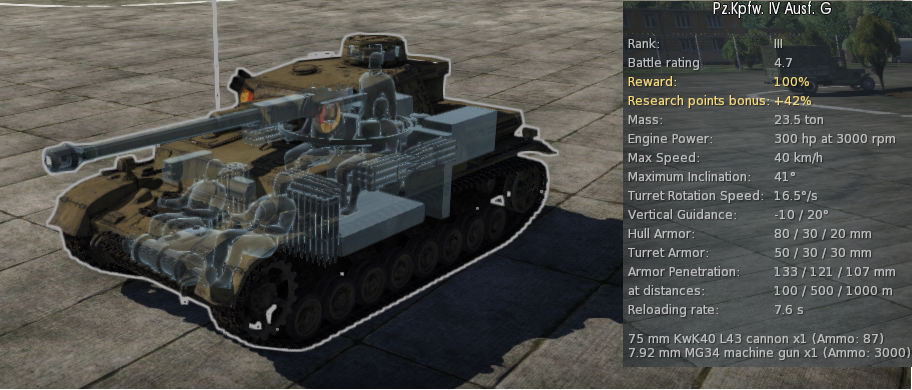
Steam Community Guide Complete Tankery Guide V1 61
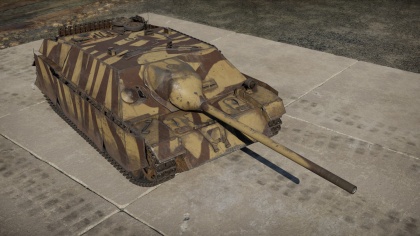
Panzer Iv 70 V War Thunder Wiki

Pin By Landijozsef On Wwii Tigris Techno
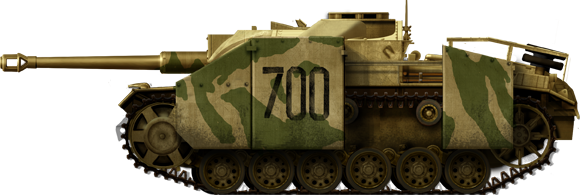
Sturmgeschutz Iii 1938
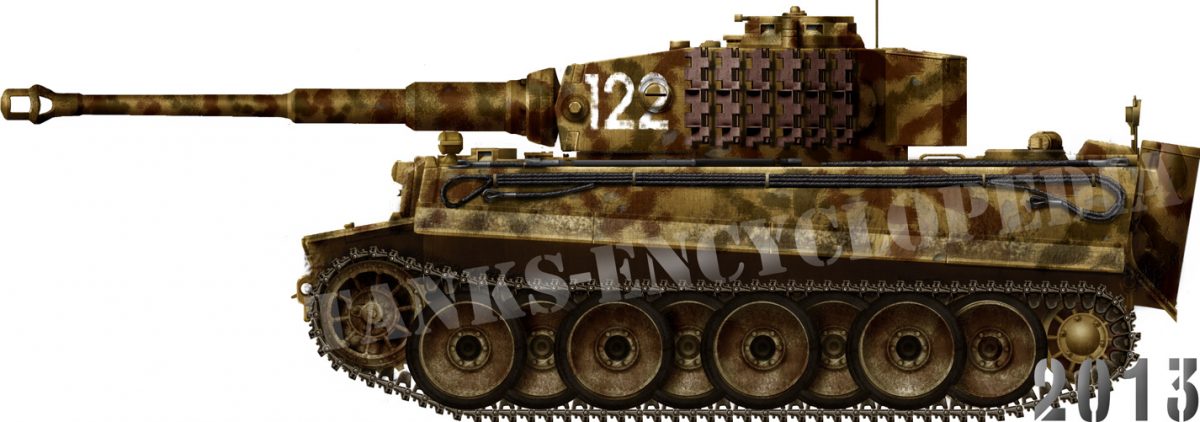
Panzerkampfwagen Vi Tiger Sd Kfz 181 Tiger I Tanks Encyclopedia
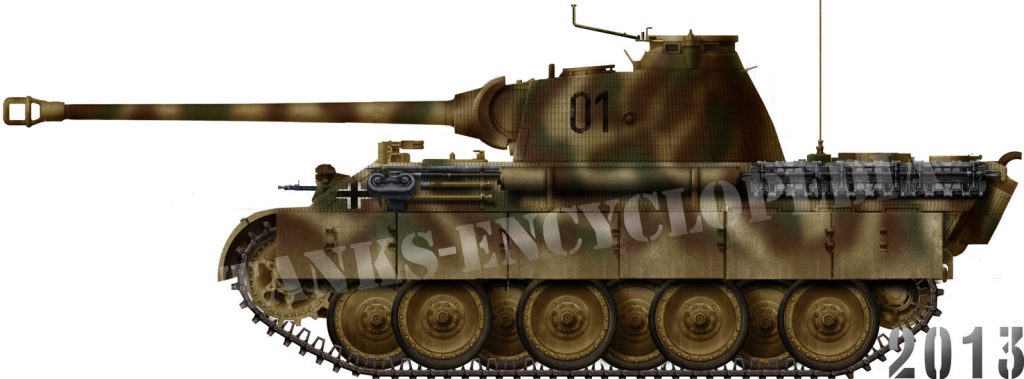
Panzer V Panther
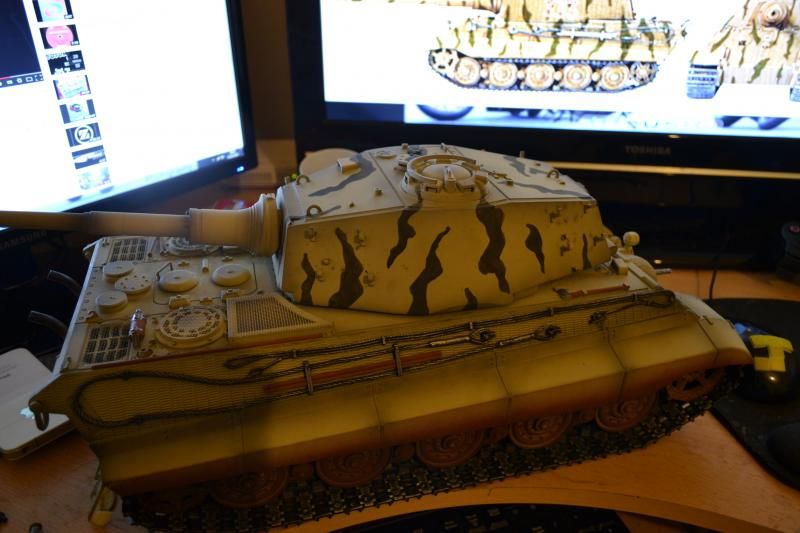
Torro King Tiger Rc Tank Warfare
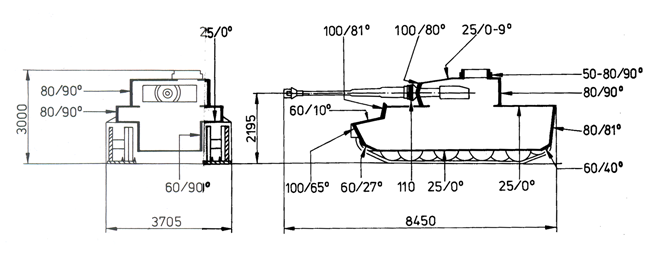
Pzkpfw Vi Tiger I
Why Couldn T The Americans British Just Build Tanks With Bigger Guns And Thicker Armor Similar To The German Tanks Was It An Engineering Problem Or Were Our Engines Not Powerful Enough Quora